After 30 years as a Red Seal garage door technician across British Columbia, I've heard every noise a door can make—from a faint squeak to a window-rattling bang. In that time, I've learned that most sounds are simple warnings, but a few are red alerts. This guide will help you diagnose what each noise means, when you can fix it yourself, and when you need to call a pro. Whether you're dealing with a grinding roller or a popping spring, I'll give you the straight facts—no fluff, just practical advice for Canadian homeowners.
Here's what you'll learn: how to identify common sounds (grinding, squeaking, banging, rattling, popping), the right lubrication routine for our damp coastal or dry prairie climate, which noises signal real danger, and how to quiet an old door without breaking the bank. I'll also share specific costs and tips from the field so you can make smart decisions about garage door spring repair or a full replacement.
boltKey Takeaways
- Grinding usually means worn rollers or bearings; replace them if lubrication doesn't help.
- Squeaking is a lubrication issue—use silicone spray every 6 months.
- A loud bang or popping is urgent—likely a broken spring. Stop using the door and call a pro.
- Rattling often comes from loose hardware; tighten visible bolts but never touch springs.
- Quiet an old door by replacing steel rollers with nylon, adding weatherstripping, or upgrading to a belt-drive opener.
- Annual professional inspection ($100–$150 CAD) can prevent costly repairs and ensure safety.
1. What Each Garage Door Sound Means
In 30 years, I've learned that your garage door's noises are its way of talking to you. Here's a breakdown of the most common sounds and what they indicate—based on my real-world experience across BC and Greater Vancouver.
Grinding
A grinding noise often points to worn rollers, roller bearings, or metal parts rubbing together. If lubrication doesn't quiet it within a few cycles, the rollers or bearings likely need replacement. Nylon rollers with sealed bearings are a popular upgrade—costing about $15–$25 each in CAD—and they run much smoother than steel. In damp coastal climates like Vancouver, bearings can corrode faster, so check them yearly.
Squeaking / Squealing
This is usually dry hinges, rollers, springs, or other moving parts. It's a maintenance issue first, not an emergency. A quick spray of silicone-based lubricant on hinge pivots and spring coils often solves it. In BC's wet winters, I see more squeaking from rust-prone parts; in the Prairies, dry cold makes plastics brittle. If squeaking persists after lubing, inspect for worn nylon rollers or rusted springs.
Rattling
Rattling is commonly caused by loose nuts, bolts, hinges, or brackets. Grab a socket set and tighten visible hardware—but never touch the springs or cables. A rattling door can also mean a loose chain or belt on the opener. If you're unsure, call a pro for garage door repair in Vancouver to check it safely.
Banging / Thumping
A banging sound can mean loose hardware, misaligned panels, an unbalanced door, or spring strain. If it's loud or sudden, treat it as urgent. I've seen banging that turned out to be a broken spring—a dangerous situation. Stop using the door and get a technician out immediately.
Popping
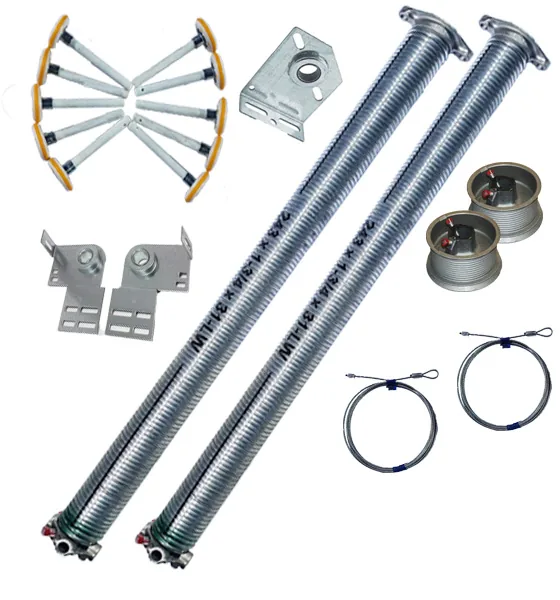
Popping often points to torsion spring tension problems or a failing/broken spring. This is urgent and should be handled by a professional. Never attempt to adjust springs yourself—they're under extreme tension and can cause serious injury. In my career, I've replaced hundreds of springs; a typical torsion spring replacement costs $250–$400 CAD including labor.
Scraping / Rubbing
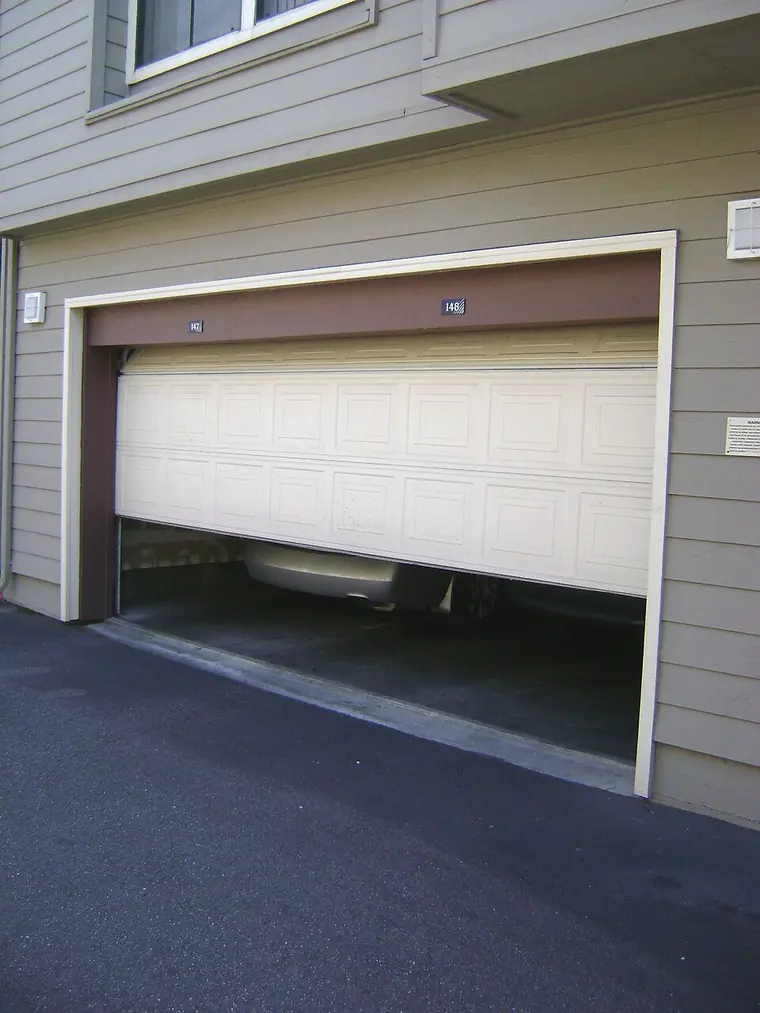
This suggests the door may be off track, misaligned, or contacting the frame. Stop using the door and get service promptly—this can cause damage quickly. A bent track can often be adjusted, but if it's severely damaged, replacement may be needed ($150–$300 per section).
Grinding from the Opener
If the grinding comes from the opener motor, it may indicate a worn chain/screw drive or failing motor. This is separate from the door itself. A new opener costs $400–$800 CAD installed, but sometimes just replacing the drive gear is cheaper.
2. The Right Lubrication Routine for Canadian Climates
Proper lubrication is the cheapest and most effective way to prevent noise and extend your door's life. But the right routine depends on your climate. In BC's coastal dampness, rust and corrosion are the main enemies; in the Prairies' dry cold, plastics become brittle and metal contracts. Here's my tried-and-true routine.
What to Use
Use a silicone-based lubricant for rollers, hinges, and springs. Avoid WD-40—it's a solvent, not a lubricant, and will wash away existing grease. For tracks, use a dry lubricant or nothing at all; greasy tracks attract dirt and cause binding. A quality silicone spray costs about $10–$15 CAD at any hardware store.
Step-by-Step Lubrication Procedure
- Disconnect the opener by pulling the emergency release cord. This prevents accidental operation.
- Clean the tracks with a damp cloth to remove dirt and debris. Do not lubricate the tracks themselves.
- Spray lubricant on hinge pivots—the points where the hinge bends. Use a straw for precision.
- Lubricate roller stems and bearings—spray where the stem enters the bracket. For nylon rollers with sealed bearings, just spray the stem; the bearings are pre-lubed.
- Spray spring coils—both torsion and extension springs. Avoid getting lubricant on the floor.
- Wipe away excess with a rag to prevent dirt buildup.
- Operate the door manually a few times to distribute the lubricant, then reconnect the opener.
How Often
Lubricate about every 6 months—more often if you live near the ocean or use the door daily. I recommend doing it in spring and fall. For heavy-use doors (4+ cycles per day), consider quarterly lubrication.
Professional Yearly Service
Book a garage door repair Coquitlam pro for a yearly inspection. They'll check spring tension, cable wear, and balance. This costs $100–$150 CAD and can catch problems before they become emergencies.
3. When Noise Signals Real Danger
Not all noises are created equal. Some are just annoyances; others are warnings that your door could fail catastrophically. Here's how to tell the difference.
Urgent Sounds: Stop Using the Door
- Loud bang: A single loud bang usually means a broken spring. The door will become heavy or stuck. Do not attempt to lift it—call a pro for garage door spring repair immediately.
- Popping: Repeated popping from the spring area indicates a spring about to break. This is urgent.
- Scraping or grinding that doesn't stop: If the door sounds like it's scraping against the track or frame, stop using it. This can damage panels and cables.
- Jerky or crooked movement: If the door stutters, sags, or slams, it's unbalanced. A door that's off balance puts strain on the opener and springs.
Maintenance Sounds: Usually Safe to Investigate
- Squeaking: Almost always a lubrication issue.
- Light rattling: Tighten loose bolts (except spring bolts).
- Minor grinding that improves with lube: Likely dry rollers.
Real-World Example
Last winter in Vancouver, a homeowner called me about a popping noise. They'd been ignoring it for weeks. When I arrived, one of the torsion springs had snapped—luckily, it broke while the door was down. A broken spring can send metal shrapnel flying; I've seen it damage cars and injure people. That repair cost $350 CAD, but if the door had fallen, it could have been much worse.

4. Quieting an Old Garage Door
If your door is over 15 years old and noisy, you don't always need a full replacement. Here are cost-effective ways to quiet it down.
Replace Rollers
Old steel rollers are the #1 noise source. Upgrade to nylon rollers with sealed bearings—they're quieter and last longer. Cost: $15–$25 each, plus labor if you hire a pro. For a standard 7-foot door with 10–12 rollers, expect $200–$350 CAD installed. DIY is possible if you're handy, but be careful with the bottom bracket.
Add Weatherstripping
Worn bottom seal or side seals can cause rattling and drafts. A new bottom seal costs $20–$40 CAD and takes 30 minutes. Side seals are $30–$60 per pair. This also improves insulation—important for Canadian winters.
Insulate Panels
If your door is uninsulated, adding foam board insulation can dampen sound and reduce energy loss. A DIY kit costs $100–$200 CAD. This is especially useful in attached garages where noise travels into the house.
Check the Opener
An old chain-drive opener can be noisy. Switching to a belt-drive opener reduces noise significantly. A new belt-drive opener installed costs $500–$800 CAD. If your opener is over 10 years old, consider replacing it for safety features like auto-reverse.
Professional Tune-Up
A full tune-up by a technician—lubrication, hardware tightening, balance check, and roller replacement—costs $150–$250 CAD. This is the most comprehensive way to quiet an old door. For residents needing garage door repair in Vancouver, many companies offer this service.
5. How to Inspect Your Door Safely
Regular inspection can catch problems early, but safety comes first. Here's what you can do without risking injury.
Visual Inspection (Monthly)
- Check tracks: Look for dents, gaps, or misalignment. Tracks should be parallel and free of debris.
- Check cables: Look for fraying or rust. If you see damage, call a pro—cables are under tension.
- Check springs: Look for gaps in torsion springs (a sign of breakage) or rust. Never touch them.
- Check rollers: Spin them manually (with door closed). If they wobble or feel rough, replace them.
- Check hardware: Tighten any loose nuts or bolts on hinges and brackets. Avoid the spring mounting bolts.
Balance Test (Monthly)
Disconnect the opener and manually lift the door halfway. If it stays put, it's balanced. If it falls or rises, you need a professional adjustment. A door that's out of balance puts extra strain on the opener and can cause premature wear.
When to Call a Pro
If you see any of these, call a technician immediately: broken spring, frayed cable, bent track, or door that's hard to lift. For residents in the Tri-Cities, garage door repair Coquitlam services are available with fast response times.
6. Common Myths About Garage Door Noises
Over the years, I've heard plenty of myths from homeowners. Let's bust a few.
Myth 1: WD-40 Is Good for Lubrication
False. WD-40 is a water displacer and solvent, not a lubricant. It will wash away existing grease and leave parts dry. Use a silicone-based lubricant instead.
Myth 2: A Noisy Door Means It's About to Break
Not always. Most noises are from lack of lubrication or loose hardware—easy fixes. But popping, banging, or scraping should be taken seriously.
Myth 3: You Can Fix a Broken Spring Yourself
Absolutely not. Torsion springs are under extreme tension—hundreds of pounds of force. Attempting DIY spring repair can cause severe injury or death. Always hire a professional for garage door spring repair.
Myth 4: Insulating a Door Makes It Quieter
Insulation can help dampen sound, but it won't fix mechanical noise. Address the source first—rollers, hinges, springs—then insulate for added benefit.
Frequently Asked Questions
Why does my garage door make a grinding noise even after lubrication?
If grinding persists, the rollers or bearings are likely worn out. Replace them with nylon rollers with sealed bearings—costs about $200–$350 CAD installed.
Can I use grease on garage door tracks?
No. Grease on tracks attracts dirt and causes binding. Use a silicone spray on moving parts only; tracks should be kept clean and dry.
How often should I lubricate my garage door in a coastal climate like Vancouver?
Every 3–4 months due to higher humidity and salt air. In drier climates, every 6 months is sufficient.
Is a rattling garage door dangerous?
Usually not—it's often loose hardware. But if the rattling is accompanied by jerky movement or the door seems off-track, stop using it and call a professional.
Sources & Further Reading
Need a Hand From a Real Technician?
Same-day garage door repair across Greater Vancouver — no call-out fee, written estimate before we start.
call Call 778-805-4911