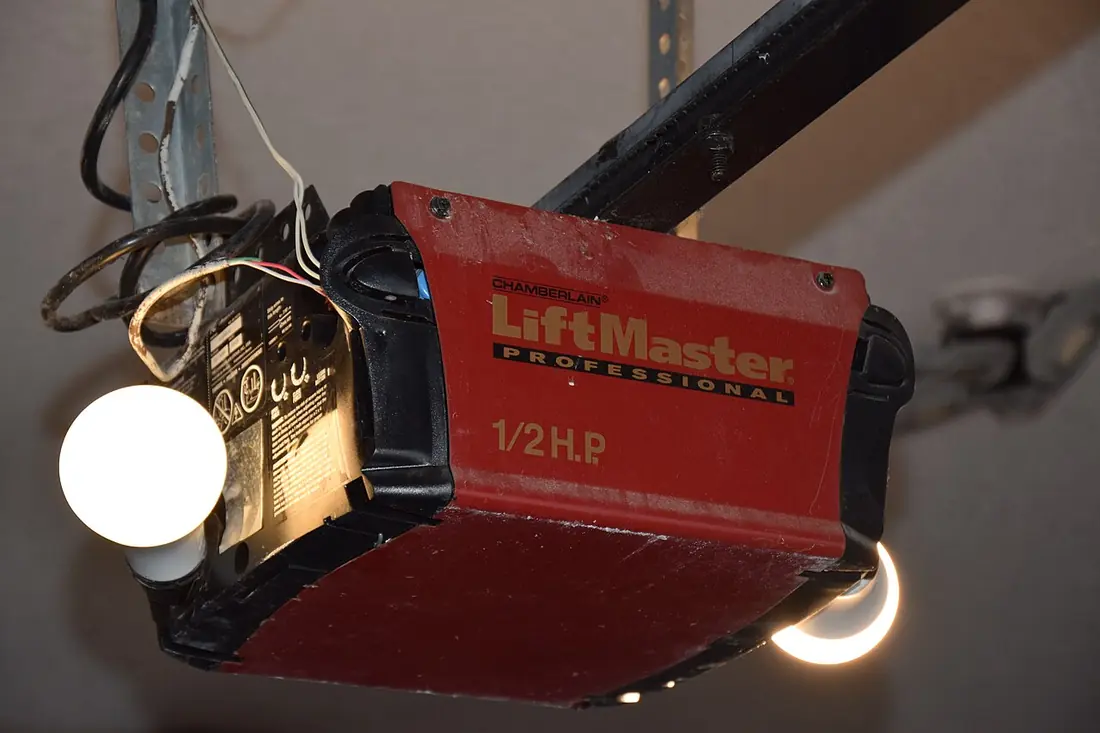
After 30 years of installing and repairing garage door openers across British Columbia and Greater Vancouver, I’ve seen every drive type fail, every brand shine, and every budget stretched. In this guide, I’ll cut through the marketing fluff and give you the real numbers—Canadian dollars, our unique climate challenges (coastal damp cold, Prairie dry cold), and what actually matters for reliability. Whether you’re replacing an old unit or choosing a new opener for a new door, you’ll learn exactly what to look for, what to avoid, and how to make a choice that lasts.
We’ll cover chain vs belt vs screw vs direct/jackshaft drives, horsepower ratings (1/2 vs 3/4 vs 1 HP), smart features like myQ, battery backup (critical after BC’s recent storms), brand comparisons (LiftMaster, Chamberlain, Genie), and typical installed costs in CAD. I’ll also share field-tested tips for cold-weather performance and common repair pitfalls. Let’s get your door working right.
boltKey Takeaways
- Belt drive is best for quiet operation and attached garages; chain drive for budget and heavy doors.
- 3/4 HP is the sweet spot for most double-car doors; 1/2 HP for standard single doors.
- Battery backup is essential in BC for power outages; DC motors only.
- LiftMaster offers the best reliability; Chamberlain provides best value for smart features.
- Cold weather demands proper lubrication; screw drives are not recommended for unheated garages.
- Smart features add convenience but require strong Wi-Fi; myQ is the most common platform.
1. Drive Types: Chain, Belt, Screw, Jackshaft, and Direct Drive
Choosing the right drive type is the single most important decision for your opener’s performance, noise level, and longevity. Here’s how they stack up in Canadian conditions.
Chain Drive: The Budget Workhorse
Chain drives use a metal chain to pull the trolley along a steel rail. They are the most affordable and can handle heavy doors (up to 750 lb with 1 HP). However, they are the noisiest option—expect a loud clatter during operation. In my experience, chain drives are reliable in dry cold (Prairies) but can suffer from rust in coastal damp (BC) if not lubricated annually. Typical cost: CAD $200–$450 installed. Best for: detached garages or budget-conscious homeowners.
Belt Drive: Quiet and Smooth
Belt drives use a rubber-like belt reinforced with steel cables. They are significantly quieter than chain drives—often 10–15 dB less—and require less maintenance. They cost CAD $50–$150 more than chain drives (installed $250–$600). In BC’s damp climate, belts don’t rust, but they can become brittle in extreme cold (below -30°C). I recommend belt drives for attached garages or bedrooms above the garage. Most residential belt drives come with 1/2 or 3/4 HP motors.
Screw Drive: Simple but Temperature-Sensitive
Screw drives use a threaded steel rod to move the trolley. They have few moving parts and are generally reliable, but they are notorious for performance issues in extreme temperatures. In BC’s coastal cold (0°C to -10°C), they work fine with proper lubrication. In Prairie deep freeze (-30°C), the grease thickens, causing slow operation or failure. Screw drives are less common now; I rarely recommend them for Canadian homes unless you have a heated garage. Cost: CAD $250–$500 installed.
Jackshaft (Wall-Mount) Drive: Premium Space-Saver
Jackshaft openers mount on the wall beside the torsion spring, freeing ceiling space. They are ultra-quiet and ideal for garages with high ceilings, storage, or car lifts. They are also the most expensive residential option: CAD $500–$1,200+ installed. In BC, they’re popular for custom homes. However, they require a torsion shaft with a specific diameter and may need a conversion kit for standard doors. Reliability is excellent, but garage door opener repair on these units often requires a specialist due to the complex electronics.
Direct Drive: Low Maintenance, Low Adoption
Direct drive openers have the motor integrated into the trolley, moving along a stationary rail. They have very few moving parts, making them low maintenance and quiet. However, they are less common in Canada, with limited dealer support. Cost: CAD $350–$700. I’ve only seen a handful in the field; parts can be hard to source.
2. Horsepower: Matching Motor Strength to Door Weight
Horsepower (HP) determines how much weight the opener can lift and how smoothly it operates. Using the wrong HP leads to premature wear, safety risks, or failure.
1/2 HP: Standard for Most Residential Doors
For single-car steel doors (up to 350 lb), 1/2 HP is sufficient. It’s the most common size for budget openers. In BC, I see 1/2 HP units on many 7x8 doors. They work fine in cold weather if the door is well-balanced. However, if you have an insulated door or a slightly heavier door (say 400 lb), go up to 3/4 HP.
3/4 HP: The Sweet Spot for Double Doors
For double-car doors (16x7) or heavier single doors (up to 600 lb), 3/4 HP is ideal. It provides extra torque for smooth operation, especially in cold weather when grease thickens. Most of my installations in Vancouver use 3/4 HP belt drives. The added cost (about CAD $50–$100 more than 1/2 HP) is worth it for reliability.
1 HP and Above: Heavy or Oversized Doors
For doors over 600 lb (e.g., 10x10 commercial-grade or custom wood doors), 1 HP or more is required. These are rare in residential settings but necessary for carriage house doors or insulated doors with windload reinforcement. In 30 years, I’ve installed a handful of 1 HP units on high-end homes in West Vancouver.
Pro tip: Always check your door’s weight (use a spring scale) before buying an opener. Most residential openers are 1/2 or 3/4 HP—don’t overspend if you don’t need it. For garage door repair Burnaby calls, I often see undersized motors struggling with unbalanced doors.
3. Smart/Wi-Fi Openers and myQ: Convenience vs. Complexity
Smart openers let you control your door from your phone, set schedules, and receive alerts. In Canada, the most common platform is myQ (Chamberlain/LiftMaster). Here’s what you need to know.
What Smart Features Do
- Remote control: Open/close from anywhere via app.
- Activity alerts: Get notified if the door is left open.
- Voice control: Works with Amazon Alexa, Google Assistant.
- Guest access: Grant temporary access to delivery drivers.
myQ Ecosystem
myQ is built into most Chamberlain and LiftMaster openers (models with “myQ” in the name). It’s reliable and easy to set up. However, it requires a Wi-Fi connection—if your router is far from the garage, you may need a range extender. In BC, I’ve seen connectivity issues in detached garages with metal doors. The premium for smart features is about CAD $50–$150 over a basic model.
Are Smart Openers Worth It?
Yes, if you frequently worry about forgetting to close the door or want package delivery access. But remember: smart features are independent of drive type—you can get them on chain or belt drives. They also add a point of failure; if the Wi-Fi goes down, the app won’t work, but the wall button and remotes still do. For garage door repair in Vancouver, I often troubleshoot smart opener connectivity issues more than mechanical failures.
4. Battery Backup: Essential for BC Storm Season
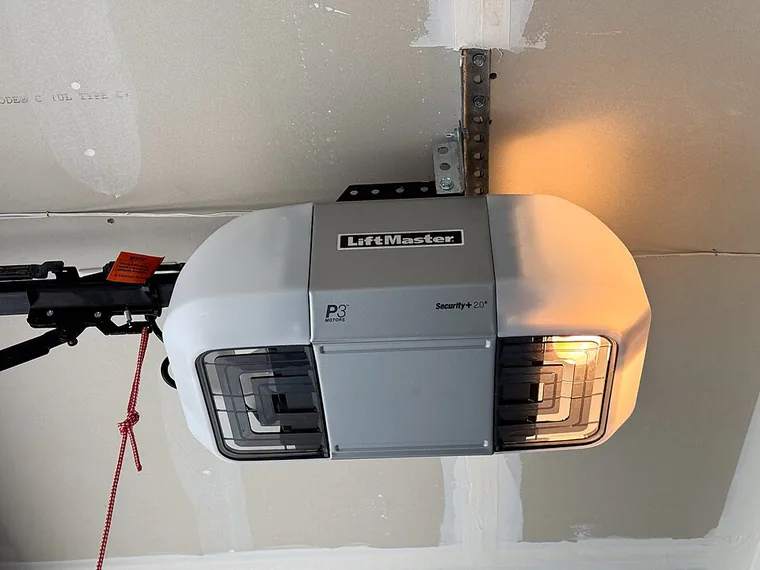
Battery backup allows your opener to operate during a power outage. After the 2021 atmospheric river storms and frequent windstorms in BC, this feature has become a must-have for many homeowners.
Why You Need It
- Power outages can last hours or days, leaving your car trapped.
- Manual release is possible, but many homeowners don’t know how or can’t lift heavy doors.
- Battery backup is built into some models (e.g., LiftMaster 8500W, Chamberlain B550) or available as an add-on kit (about CAD $100–$200).
How It Works
Most battery backup systems use a 12V rechargeable battery (similar to a small UPS). When power is lost, the opener switches to battery mode automatically. You get about 20–30 cycles (open/close) on a full charge. In cold weather, battery life decreases—expect 10–15 cycles at -20°C. I recommend testing the battery annually and replacing it every 3–5 years.
DC vs. AC Motors
Battery backup is only available on DC-motor openers (most modern units). AC motors cannot run on battery. If you have an older AC opener, you’ll need a full replacement to get backup. In my experience, DC motors are also quieter and smoother, making them a better choice overall.
5. Brand Comparison: LiftMaster, Chamberlain, Genie
In Canada, three brands dominate the market. Here’s how they compare based on my 30 years of field experience.
LiftMaster: Professional-Grade Reliability
LiftMaster is the top choice for professional installers. They offer robust construction, excellent warranty (often lifetime on motor and belt), and the best battery backup options. Their 8500W jackshaft model is a favorite for high-end homes. Cost: CAD $400–$1,200. I’ve seen LiftMaster units last 20+ years with basic maintenance.
Chamberlain: Consumer-Friendly Value
Chamberlain is the sister brand of LiftMaster, sold at big-box stores like Home Depot. They share many components but use slightly lighter materials. They are more affordable (CAD $200–$600) and offer similar smart features (myQ). For most homeowners, Chamberlain is the best value. I install them frequently for standard residential jobs.
Genie: Solid Mid-Range Option
Genie is known for its Aladdin Connect smart system and reliable DC motors. They are slightly less common in BC but have a good reputation. Their screw drive models (e.g., Genie 4063) are still popular in some areas. Cost: CAD $250–$550. Genie’s customer support is decent, but parts can be harder to find than Chamberlain/LiftMaster.
My recommendation: For long-term reliability, go with LiftMaster. For budget-friendly smart features, choose Chamberlain. Avoid off-brand openers from Amazon—they often lack cold-weather testing and local support.
6. Cold Weather Performance: What Works in Canadian Winters
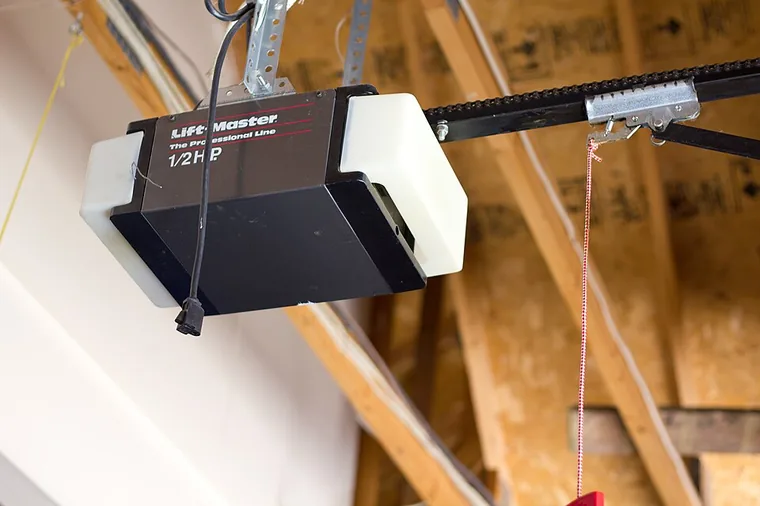
Canadian winters vary from BC’s damp cold (0°C to -10°C) to Prairie dry cold (-30°C to -40°C). Here’s how different openers handle the cold.
Lubrication is Key
In cold weather, grease thickens, increasing strain on the motor. Use a silicone-based lubricant on rails and screws (never WD-40). For chain drives, apply a light oil annually. Belt drives need less lubrication but check for cracking in extreme cold.
Belt Drive in Prairie Cold
Belt drives can become stiff at -30°C, causing the belt to slip or break. I recommend a heavy-duty belt (reinforced with steel cables) for Prairie installations. In BC, standard belts are fine.
Screw Drive in Cold
Screw drives are the worst for cold weather. The grease solidifies, and the motor struggles. If you have a screw drive in a cold climate, use a low-temperature grease and consider a heater in the garage.
Battery Backup in Cold
Battery performance drops in cold. Keep the opener in a conditioned space if possible, or choose a model with a heated battery compartment (rare).
Field tip: I always test openers in winter conditions. If a door is slow or noisy in cold, check the balance and lubrication first. For garage door opener repair in winter, the most common issue is a frozen sensor or a dead battery backup.
7. Cost Breakdown: What to Expect in CAD (Installed)
Prices vary by region and installer, but here are typical ranges for Greater Vancouver (2024–2025).
- Chain drive, 1/2 HP, basic: CAD $200–$350 (opener only), $350–$500 installed.
- Belt drive, 3/4 HP, smart: CAD $300–$500 (opener), $500–$700 installed.
- Jackshaft, 3/4 HP, smart + battery backup: CAD $600–$900 (opener), $900–$1,200 installed.
- Battery backup add-on: CAD $100–$200 for kit, plus installation if not included.
- Smart hub (retrofit): CAD $50–$150 for myQ or Aladdin Connect.
Installation costs include removal of old opener, mounting, wiring, and programming. In BC, expect to pay $150–$300 for labor. Always get a written quote—I’ve seen hidden fees for extra wiring or ceiling reinforcement.
8. Step-by-Step: How to Diagnose a Faulty Opener
Before calling a technician, try these steps. Safety first: Disconnect power if you suspect electrical issues.
- Check power: Is the opener plugged in? Is the outlet live? Test with a lamp.
- Inspect safety sensors: Clean the lenses with a soft cloth. Align them so both LEDs are solid (not blinking).
- Test remote batteries: Replace if weak. Reprogram if needed (see manual).
- Listen for motor hum: If the motor hums but door doesn’t move, the drive gear may be stripped (common on chain drives).
- Check door balance: Disconnect the opener using the emergency release. Manually lift the door halfway—it should stay. If it falls, the springs need adjustment (call a pro).
- Reset the opener: Unplug for 30 seconds, then plug back in. This clears minor electronic glitches.
If these steps don’t work, you likely need professional garage door opener repair. For issues with the door itself (broken springs, cables), contact a garage door repair in Vancouver specialist. For Burnaby residents, garage door repair Burnaby services are available.
Frequently Asked Questions
Which garage door opener is quietest?
Belt drive and jackshaft (wall-mount) openers are the quietest. Belt drives are quieter than chain drives by 10–15 dB. Jackshaft openers are ultra-quiet because the motor is mounted away from the door.
Do I need a battery backup in BC?
Yes, especially after recent storms. Power outages can leave your car trapped. Battery backup allows 20–30 cycles on a full charge. It’s available on most DC-motor openers.
Can I add Wi-Fi to an old opener?
Yes, with a retrofit smart hub like myQ Home Bridge or Genie Aladdin Connect. Cost is CAD $50–$150. It works with most openers made after 1993.
What horsepower do I need for a double garage door?
For a standard 16x7 insulated door (up to 600 lb), 3/4 HP is recommended. For heavier doors (over 600 lb), go with 1 HP.
Need a Hand From a Real Technician?
Same-day garage door repair across Greater Vancouver — no call-out fee, written estimate before we start.
call Call 778-805-4911