If you own a home in British Columbia—especially in coastal areas like Vancouver or Richmond—you know the damp air and salt can be brutal on metal. After 30 years as a Red Seal garage door technician, I've seen lift cables fail in ways that scare homeowners. This guide will walk you through how cables and drums work with your springs, why they rust and snap, what it costs to replace them, and how to stay safe.
You'll learn the real dangers of a door dropping, why both cables must be replaced together, and how to spot trouble before it's too late. No fluff—just practical knowledge from the field.
boltKey Takeaways
- Lift cables and drums work with springs to lift the door; a broken spring causes cable slack and potential failure.
- Fraying is caused by wear, rust, wrong cable size, misaligned drums, or spring issues.
- A failed cable can cause the door to drop suddenly, posing serious safety risks.
- Always replace both cables together to maintain balance and prevent premature failure.
- In coastal BC, humidity and salt air accelerate rust; expect cables to last 5–7 years.
- Cable replacement costs $200–$350 CAD for parts and labor; always hire a certified technician.
How Lift Cables and Drums Work with Springs
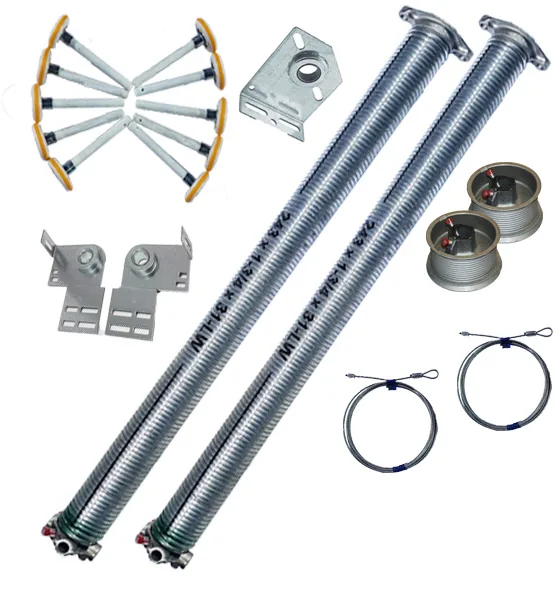
On a standard torsion-spring garage door, the springs twist a shaft that runs across the top of the door opening. At each end of that shaft is a cable drum—a grooved wheel that guides and winds the lift cable. When the door is closed, the springs are under tension. As you open the door, the springs unwind, turning the shaft and drums. The drums wind the cables, which pull the door upward. It's a balanced system: the springs offset the door's weight, and the cables do the lifting.
What the Drums Do
Cable drums aren't just spools. Their groove pattern and diameter are matched to the door's lift type—standard lift, vertical lift, or high lift. Standard-lift drums have a constant radius, while high-lift drums have a changing radius to help the door accelerate as it goes up. If the wrong drum is used, the cable can slip or the door can bind.
How Cables and Springs Work Together
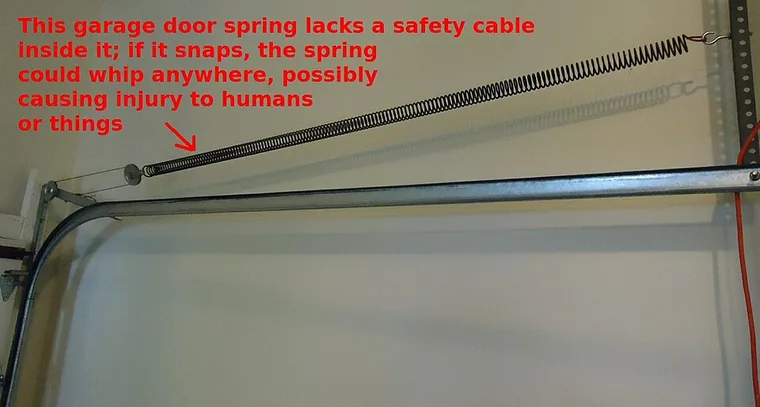
The springs store energy; the cables transfer that energy to lift the door. If a spring breaks (a common issue requiring garage door spring repair), the cables suddenly go slack. That slack can cause the cable to jump off the drum or tangle, leading to fraying or snapping. Always inspect cables when you service springs.
Typical Cable and Drum Specifications
Most residential doors use 5/32-inch (4 mm) diameter galvanized steel cables with a 7x19 construction (7 strands of 19 wires each). The drums are usually 4-inch diameter for standard lift. Heavier doors (over 200 lbs) may require 3/16-inch cables and larger drums. In coastal BC, I recommend upgrading to stainless steel cables for rust resistance—they cost about $20 more per pair but last twice as long.
Field Anecdote: The Misaligned Drum
Last year, I serviced a home in Richmond where the cable had snapped after only two years. The homeowner had replaced just the cable, but the drum was misaligned by 1/8 inch. That tiny offset caused the cable to rub against the drum flange every cycle, fraying it rapidly. I replaced both drums and cables, and the door has been trouble-free since. Always check drum alignment.
Why Cables Fray and Snap
Over three decades, I've pulled countless frayed cables off drums. The causes are predictable. Here's what to watch for:
- Normal cycling wear: Every open/close cycle bends the cable over the drum. Over thousands of cycles, individual strands break. This is normal, but you should replace cables before they snap.
- Friction: Cables rub against each other and the drum grooves. In coastal BC, that friction wears away the zinc coating, exposing bare steel to moisture.
- Wrong cable size: Heavier doors need thicker cables. Using a cable that's too small puts excess strain on each strand, causing early fraying.
- Misaligned drums: If the drum isn't perfectly aligned with the cable, the cable rubs against the drum flange. I've seen this cause a cable to fail in under a year.
- Slack from spring problems: A broken spring or incorrect spring tension leaves the cable loose. It can then kink or wrap unevenly, creating weak points.
- Corrosion: In coastal BC, humidity and salt air accelerate rust. Steel cables become brittle and snap without warning.
Why Rust Is Worse in Coastal BC
In Greater Vancouver, we get over 160 rainy days a year. That moisture, combined with salt from the ocean, eats through cable coatings quickly. I've seen cables rusted solid in garages just two blocks from the water. If you live in Richmond or near the coast, inspect your cables every spring. If you see red rust or broken strands, it's time to call a pro for garage door repair Richmond.
How Many Cycles Before Failure?
A standard galvanized cable in a dry climate might last 10,000 cycles (about 10 years). In coastal BC, that drops to 5,000–7,000 cycles. If you open your door 4 times a day, that's only 3–5 years. Stainless steel cables can extend that to 8–10 years even near the ocean.
The Danger of a Door Dropping
A failed cable isn't just inconvenient—it's dangerous. When a cable snaps, the door becomes unbalanced. One side can drop suddenly, or the entire door can crash down. I've seen cars damaged, and worse, people injured. Here's what can happen:
- Sudden drop: If one cable breaks, the door tilts and can jam in the tracks. If both cables fail (rare but possible), the door falls like a guillotine.
- Spring breakage: A broken spring also causes the door to drop. That's why garage door spring repair should always include a cable inspection.
- Door jams in tracks: A frayed cable can catch on the drum or track, stopping the door partway. That puts the door in an unpredictable position.
Never stand under a door with a frayed cable. If you hear a snapping sound or see the door sag, get out of the way and call a technician immediately. For homeowners in Vancouver, I recommend scheduling a safety inspection with a garage door repair in Vancouver specialist.
Real Incident: A Near Miss
In 2019, a client in Surrey called me after hearing a loud bang. A cable had snapped while the door was open. The door dropped 2 feet before jamming in the track. Luckily, no one was underneath. The car inside was scratched, but it could have been much worse. The cables were only 4 years old but had rusted from ocean salt carried inland by wind. Don't wait for a bang.
Why Both Cables Are Replaced Together
I always replace lift cables in pairs. Here's why: cables age at the same rate. If one is frayed, the other is likely just as worn, even if it looks okay. Replacing only one creates an imbalance. The new cable is slightly tighter, which can cause the door to lift crooked. That puts extra stress on the new cable and the old one, leading to premature failure. In my experience, replacing both cables at the same time costs a bit more upfront but saves you from a repeat service call within a year. It's also safer: you know both sides are fresh and matched.
Step-by-Step: What a Pro Does
- Disconnect the opener and release the door from the trolley.
- Secure the door in the open position with clamps or locking pliers.
- Release spring tension using winding bars (never do this without training).
- Remove the old cables from the drums and bottom brackets.
- Install new cables, ensuring they are the correct length and gauge for your door weight.
- Re-tension the springs and test the door balance.
- Reconnect the opener and run a full cycle.
This is not a DIY job. The springs store lethal energy. I've seen serious injuries from people trying to save a few bucks. Always hire a certified technician.
Cost Comparison: One vs. Both Cables
Replacing one cable might cost $150–$200 (service call + parts + labor). But if the other fails within a year, you'll pay another $150–$200. Replacing both at once costs $200–$350 total—saving you money and hassle. Plus, you avoid the risk of a sudden failure.
Cost of Cable Replacement in Canada (CAD)
In British Columbia, cable replacement costs vary by door size and accessibility. Here's a realistic range based on my service calls:
- Service call fee: $80–$120 (includes travel and diagnosis).
- Parts (pair of cables): $30–$60 for standard residential cables (7x19 or 5/32-inch).
- Labor: $100–$200 for a straightforward replacement.
- Total typical cost: $200–$350 CAD.
If drums need replacing (common if rusted or damaged), add $40–$80 per drum. If springs also need work, the cost rises to $400–$700. For example, a full cable-and-spring job in Richmond might run $500–$600. Always get a quote before work begins. And remember, cheaper isn't better—I've seen cut-rate jobs use undersized cables that fail in months.
If you're in Vancouver, check with a trusted provider for garage door repair in Vancouver to get a fair price.
Breakdown by Door Type
- Single-car door (8x7 ft): $200–$280
- Double-car door (16x7 ft): $280–$350
- High-lift or custom doors: $350–$500 (special cables and drums)
Prices include GST. Some companies offer discounts for seniors or repeat customers. Always ask.
Coastal BC Humidity and Rust: What to Expect
Living in coastal BC means your garage door components face constant moisture. The humidity here accelerates rust on steel cables. In my experience, cables in Vancouver last about 5–7 years, while in drier parts of the province (like the Interior), they can last 10–12 years. Salt air near the ocean cuts that further—I've replaced cables in Richmond that were only 3 years old but completely rusted.
How to Slow Rust
- Lubricate cables annually with a silicone-based spray. Avoid grease, which attracts dirt.
- Keep the garage dry with a dehumidifier or ventilation.
- Wash salt off if you live near the ocean. A garden hose rinse twice a year helps.
- Inspect regularly for rust spots or broken strands. Early detection saves money.
If you see orange rust or pitting, replacement is the only safe option. Don't try to clean it—the structural integrity is already compromised. For homeowners in Richmond, I recommend an annual inspection by a garage door repair Richmond technician.
Stainless Steel vs. Galvanized
Stainless steel cables cost about $50–$70 per pair (vs. $30–$60 for galvanized). In coastal BC, they last 8–10 years compared to 5–7 for galvanized. The extra $20–$30 is worth it. I always recommend stainless for homes within 5 km of the ocean.
What to Inspect When You See Cable Wear
If you spot a frayed cable, don't just replace it and call it done. You need to find the root cause, or the new cable will fail too. Here's what I check:
- Spring tension: If the springs are weak or broken, the cable will be slack. Fix the springs first. A garage door spring repair may be needed.
- Drum alignment: The drum should be centered on the cable. If it's off, adjust the drum or replace it if worn.
- Track obstructions: Dents or debris can cause the door to bind, straining the cable.
- Door balance: Disconnect the opener and lift the door manually. It should stay open at about halfway. If it falls or rises, the springs need adjustment.
- Cable condition: Look for kinks, birdcaging (strands separating), or flat spots. Any of these means replacement.
Addressing these issues will extend the life of your new cables. I've seen homeowners replace cables three times in a year because they ignored a misaligned drum. Don't be that person.
How to Measure Cable Length
Cable length is determined by door height and lift type. For a standard 7-foot door, cables are typically 12–14 feet long. Measure from the bottom bracket to the drum plus 6 inches for winding. If you're unsure, call a pro—wrong length cables can cause binding or slipping.
Frequently Asked Questions
How often should I replace my garage door cables?
In coastal BC, inspect cables annually and replace them every 5–7 years, or sooner if you see rust, fraying, or kinks.
Can I replace just one cable?
No. Always replace both cables together to keep the door balanced and avoid uneven wear.
What causes a cable to snap suddenly?
Common causes are rust weakening the steel, a broken spring causing slack, or a misaligned drum that cuts into the cable.
Is cable replacement a DIY job?
No. Garage door springs are under high tension and can cause serious injury. Always hire a certified technician.
Need a Hand From a Real Technician?
Same-day garage door repair across Greater Vancouver — no call-out fee, written estimate before we start.
call Call 778-805-4911