Over 30 years as a Red Seal garage door technician in British Columbia, I've seen firsthand how a simple safety check can prevent a tragedy. Your garage door is the largest moving object in your home, and when it fails, the consequences can be devastating. In this guide, I'll walk you through the critical safety features every Canadian homeowner must understand—from the UL 325 standards that govern automatic openers to the monthly reversal test that could save a life. Whether you're in Vancouver, Richmond, or anywhere in BC, these are the non-negotiables for keeping your family safe.
We'll cover the force of a closing door, the hidden dangers of spring tension, why you should never attempt DIY spring or cable work, and how to use the emergency release cord properly. I'll also explain pinch-resistant sections and the vital role of photo eyes. By the end, you'll know exactly what to check and when to call a pro. Let's get started.
boltKey Takeaways
- Test your garage door's auto-reverse monthly using a 2x4 board; if it fails, stop using the opener and call a pro.
- UL 325 requires two entrapment protections: inherent reversal plus photo eyes or edge sensors. Ensure both are working.
- Never attempt DIY spring or cable work—springs store lethal energy. Always hire a Red Seal technician.
- Teach your family about garage door safety: keep children and pets away, and practice using the emergency release cord.
- Smart openers must have visual/audible warnings before remote closing; never disable them.
- Pinch-resistant door sections reduce finger entrapment risk; consider them for new installations.
The Force of a Closing Door: Why UL 325 Matters
In 30 years I've responded to countless calls where a garage door failed to reverse on contact. A typical residential garage door weighs between 130 and 400 pounds (60–180 kg). When that mass is moving downward, the kinetic energy can crush a child, pet, or adult. That's why UL 325 exists. This standard, adopted as a National Standard of Canada (CAN/UL 325), mandates two independent entrapment protection mechanisms for residential openers: an inherent reversal system plus either a photo eye or an edge sensor (or equivalent).
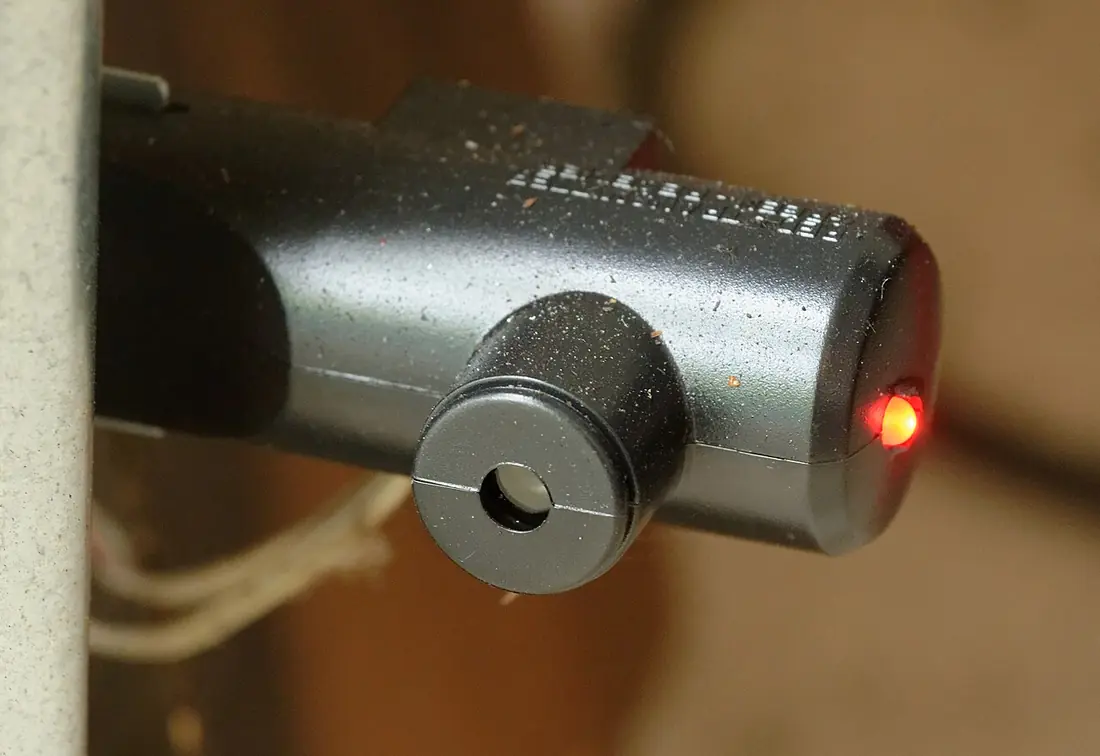
Before 1993, only the inherent reversal was required. That changed after too many fatalities. Today, every opener sold in Canada must comply. The inherent system detects resistance—if the door hits an obstruction, it should reverse within 2 seconds. But that alone isn't enough. A child's body may not create enough resistance to trigger reversal, especially on older or poorly adjusted openers. That's why photo eyes (safety sensors) are mandatory. They project an invisible beam across the door opening; if anything breaks that beam while the door is closing, the door must stop and reverse.
In our damp coastal climate, sensors can get misaligned by condensation or vibration. I've seen sensors knocked out of alignment by a broom handle or a winter storm. Check them monthly: if the indicator lights aren't steady, call for garage door repair Richmond or your local service. Don't risk it.
Monthly Reversal Test: The 2-Minute Check That Saves Lives
This is the single most important safety test you can do. It takes two minutes and costs nothing. Here's the exact procedure from CPSC guidelines tied to UL 325:
- Place a 1.5-inch by 3.5-inch board (a standard 2x4 works perfectly) flat on the floor, centered under the door.
- Press the close button. The door should contact the board and reverse automatically within 2 seconds of hitting it.
- If it doesn't reverse, or if it reverses only after crushing the board, stop using the opener immediately and call a qualified technician.
I recommend doing this test every month, and after any power outage or opener adjustment. In BC's wet winters, sensors can fog up or get blocked by frost. I've also seen homeowners accidentally disable the sensors by stacking boxes near the door. The reversal test catches all that.
If your door fails the test, don't try to fix it yourself. The issue could be sensor alignment, a faulty logic board, or incorrect force settings. A pro can diagnose and repair it safely. For a full inspection, trust garage door repair in Vancouver experts who know local conditions.
Photo Eyes and Edge Sensors: Your Second Line of Defense
Photo eyes (safety sensors) are mounted on each side of the door, about 6 inches off the floor. They must be aligned so the beam is uninterrupted. If the beam is broken while the door is closing, the opener reverses. This is critical for children, pets, and anyone who might be under the door.
UL 325 also allows an edge sensor as an alternative to photo eyes, though photo eyes are far more common. Edge sensors are pressure-sensitive strips on the bottom of the door. They work, but they can be damaged by ice or debris. In Canadian winters, I've seen edge sensors freeze and fail. Photo eyes are generally more reliable in our climate, but they still need maintenance.
Common issues:
- Misalignment from vibration or accidental bumping.
- Dirty lenses (wipe with a soft cloth).
- Sunlight interference (rare but possible).
- Corroded wiring in damp garages.
If your opener's sensors are out of whack, don't delay. A quick service call from a pro can restore full safety. For homeowners in the Lower Mainland, garage door repair Richmond services are just a phone away.
Spring Tension Dangers: Never DIY This
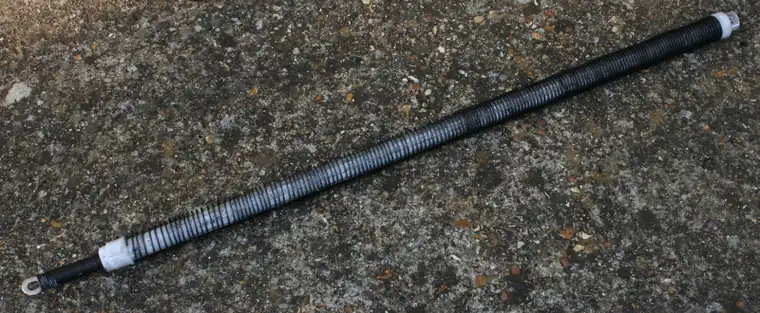
Garage door springs store immense mechanical energy. A standard torsion spring can store over 10,000 inch-pounds of force—enough to snap a bone or kill. Extension springs are equally dangerous. I've seen too many DIYers end up in the ER after trying to adjust or replace springs without proper training and tools.
Springs are under constant tension. When they break, they can whip around with enough force to damage vehicles, walls, or people. The cables that connect to the springs are also under extreme load. If a cable snaps, it can lash out like a steel whip. That's why UL 325 doesn't even address spring work—it's assumed only qualified technicians will touch them.
In Canada, spring replacement costs typically range from $200 to $400 CAD per spring, including labour. That's a small price for safety. Never attempt to adjust springs yourself. If you hear a loud bang or notice the door is hard to lift, call a pro immediately. For expert garage door spring repair, always use a Red Seal technician.
Child and Pet Entrapment: The Real-World Impact
UL 325 safety features have dramatically reduced entrapment incidents. According to CPSC data, there was a more than 50% decrease in fatalities and entrapments after the 1993 mandate. But the risk isn't zero. Children and pets are naturally curious and may run under a closing door. A pet's small body may not trigger the inherent reversal, making photo eyes essential.
I've been to homes where a child's toy was left under the door, and the opener crushed it without reversing. That's a warning sign. If your door doesn't reverse on a 2x4, it won't reverse on a child's arm. The monthly test is non-negotiable.
Also, teach your family: never play near the garage door. Keep remote controls out of reach of children. And if your opener has a vacation lock feature, use it when you're away. For extra peace of mind, consider openers with battery backup and Wi-Fi alerts. But no technology replaces vigilance. If you suspect any issue, get a professional inspection. For reliable service, look up garage door repair in Vancouver or your local area.
Pinch-Resistant Sections and Emergency Release Cord
Pinch-resistant door sections are a design feature that reduces the risk of finger entrapment between panels. While not explicitly required by UL 325 for residential doors, they are highly recommended, especially for families with young children. These sections have a curved profile that prevents fingers from being caught as the door closes. If you're replacing your door, ask for pinch-resistant panels—they add minimal cost but significant safety.
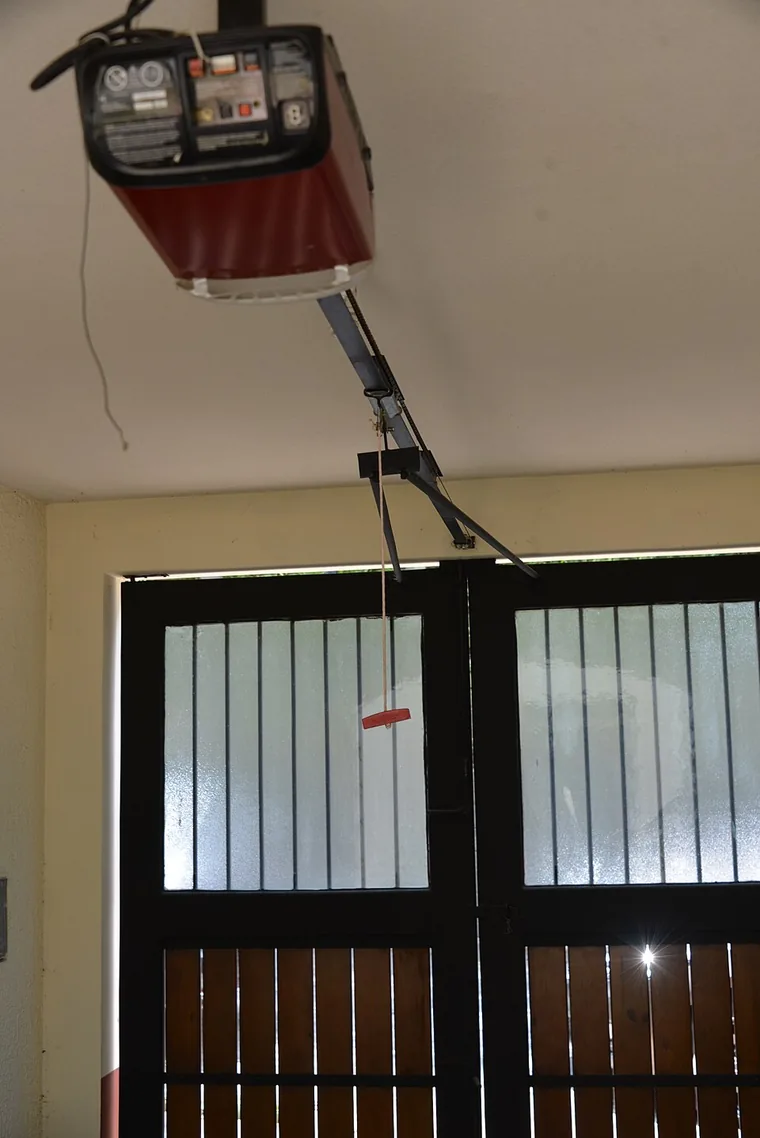
The emergency release cord (red handle) is required by UL 325. It allows you to disconnect the door from the opener manually. Use it during a power outage or if the opener malfunctions. To use: pull the red handle down firmly. This disengages the opener, and you can lift the door manually. Important: Only use the release when the door is fully closed. If you release it while the door is open, the door will crash down under its own weight—a serious hazard. Always re-engage the opener by pulling the release cord toward the opener until you hear a click, then test with the wall button.
I recommend practicing this procedure with your family so everyone knows how to do it safely. If the release cord is broken or missing, have it replaced immediately. For any opener issues, call a qualified technician. If you're in Richmond, garage door repair Richmond pros can help.
Remote Closing Warnings and Smart Opener Safety
UL 325 now requires visual and audible warning indications for openers that can be closed remotely via phone or app. This is because a door could close unexpectedly while someone is under it. If your opener has smart features, ensure the warning signals are working. Typically, the opener will beep and flash lights before closing. Never disable these warnings.
In Canada, where we often close doors from inside the house during winter, it's easy to forget that a child or pet might be near the door. Always verify the door area is clear before using remote close. Some openers have a motion sensor that stops closing if movement is detected—consider upgrading if your opener lacks this.
Also, keep your remote controls secure. Thieves can use universal remotes to open doors if the code is old. Modern openers use rolling codes that change each use, but it's still wise to lock your car if the remote is inside. For a full safety check, trust garage door repair in Vancouver experts.
When to Call a Professional: Signs Your Safety Systems Need Service
Even with regular testing, safety systems can fail. Here are signs you need a pro:
- Door reverses for no reason (sensor misalignment or logic board issue).
- Door doesn't reverse on contact (failure of inherent system).
- Photo eye lights are off or flickering.
- Door moves slowly or jerks (spring or cable problem).
- Loud noises from springs or opener.
- Emergency release cord is frayed or missing.
Don't wait. A small problem can become a dangerous one. In BC, call a Red Seal technician for any opener or spring issue. For reliable garage door spring repair or a full safety inspection, contact your local pro. Prices for a safety inspection typically range from $80 to $150 CAD—cheap compared to the cost of an injury.
Frequently Asked Questions
How often should I test my garage door's auto-reverse?
Monthly, using a 1.5x3.5 inch board (standard 2x4) placed flat under the door. The door should reverse within 2 seconds of contact.
Can I adjust my garage door springs myself?
No. Springs store high mechanical energy and can cause severe injury or death. Always hire a qualified technician for spring work.
What should I do if my photo eye sensors are misaligned?
First, clean the lenses. If the lights still don't stay on steady, call a professional. Do not bypass the sensors.
How do I use the emergency release cord safely?
Only pull the red handle when the door is fully closed. This disconnects the opener so you can lift manually. Re-engage by pulling the cord toward the opener until it clicks.
Sources & Further Reading
- Parachute Canada — injury prevention
- Canadian Red Cross — home safety
- Safe Kids Worldwide
- National Safety Council
Need a Hand From a Real Technician?
Same-day garage door repair across Greater Vancouver — no call-out fee, written estimate before we start.
call Call 778-805-4911